
What I Need You to Know about Being Suicidal
I’ve had depression for almost two decades now, why aren’t things getting better for people like me?
I’m going to ask you some questions and I want you to be truly honest when you think about your answer to them.
Since the main sweep of race riots ended just over a month ago, have you checked in with your BIPOC friends to see how they’re feeling in the aftermath? Do you know if they need any support now that coverage of the riots has lessened but the threat to their safety remains?
When was the last time you messaged your transgender or nonbinary friends to see how they’re coping after the annual Transgender Day of Remembrance or after yet another high profile death on the news where the deceased was repeatedly deadnamed or misgendered? Did it even occur to you to reach out at those times?
On World Suicide Prevention Day and other events like it, did you do anything beyond posting a little message telling people to reach out if they need to or bragging that your company will always be there for others? Can you say with complete certainty that you practice what you preach?
If I’m being completely honest… I can’t.
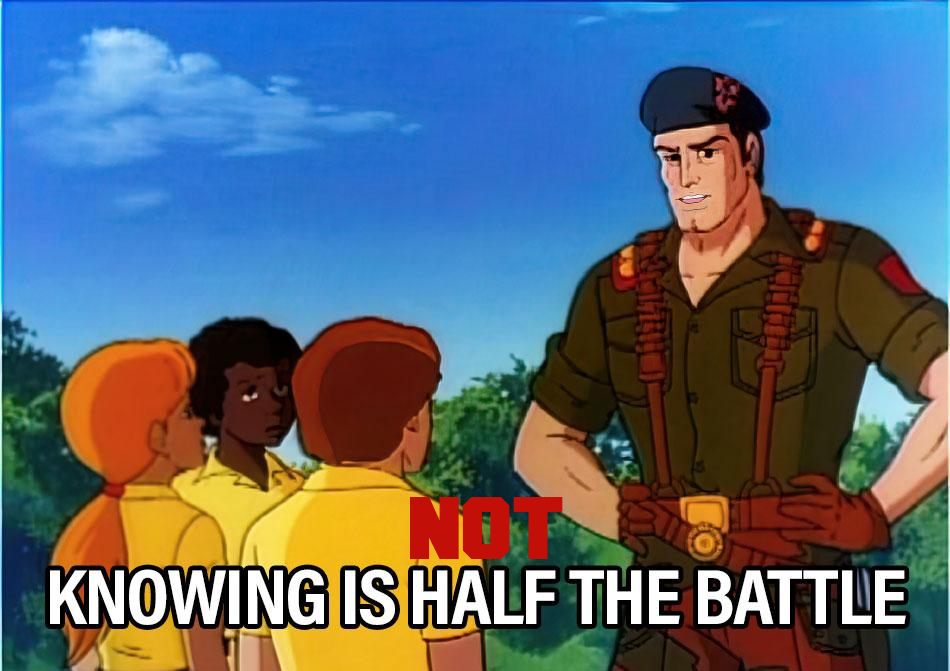
Knowing Is NOT Half the Battle
You all know the story by now: blah blah Ron had a tough upbringing, blah blah Ron has multiple mental health conditions, blah blah Ron believes in speaking up about said conditions and being there for others and everything will be all happiness and rainbows because of what he writes for us to read, blah blah blah-blah-blah…
This may be the new medication talking but frankly that’s a load of bollocks.
After my usual process of dithering and deleting pages and pages of writing I’ve finally forced myself to sit down and tell you what you really need to know about being suicidal and how you can help. And the first thing you need to know is that knowing is not enough.
I first got diagnosed with severe depression at age twelve, after spending two years being too scared to ask for help and another two where I struggled to identify that I was even depressed and wanted to die. My point here isn’t to tell you my sob story, it’s to point out the obvious. I’m twenty six now yet talking about my mental health, being depressed, and suicidal feels exactly the same as it did fourteen years ago!
It genuinely makes me happy that more people are willing to speak up about depression, suicidal feelings, and mental health difficulties but no one seems to realise we’ve stagnated. Advice for people with depression is identical to what was being talked about a decade ago. Tell someone, call one of these numbers, get therapy… why aren’t we acknowledging it’s not that simple?
No Support for The Support
When I first got my depression diagnosis I was able to see a doctor one to one every Friday morning at CAMHS in addition to taking an antidepressant once a day and attending a session with my mum to see a psychiatrist every other month. I had speech and language therapy at school, eight weeks of “managing feelings group”, and even surfing therapy!
Help for depression was plentiful so despite a few hiccups where I’d attempt to self harm or worse, I was able to cope pretty well throughout secondary school… then suddenly, it all went away. Waiting lists and a lack of staff and funding became the new norm, and it’s still the norm today!
So many posts about mental health that I see pop up across social media mention numbers you can call if you aren’t able to see a professional, many of which have so many people calling that you can’t get through at all. Other posts mention speaking to a doctor or psychiatrist however the waiting lists are so long it can take months or even years to get help.
There are many other services that can provide support in the meantime but again, no funding and not enough staff means they’re often stretched to breaking point, unable to help everyone who needs it and sometimes even being forced to shut down as a result.
It’s common knowledge at this point that the NHS is broken, that many people need mental health support and are unable to receive the help they need yet despite it being like this for over a decade… we’ve done nothing. We don’t fund the services we need to help people in crisis and the services that are available are either unaccessible or aren’t equipped to provide the level of help needed.
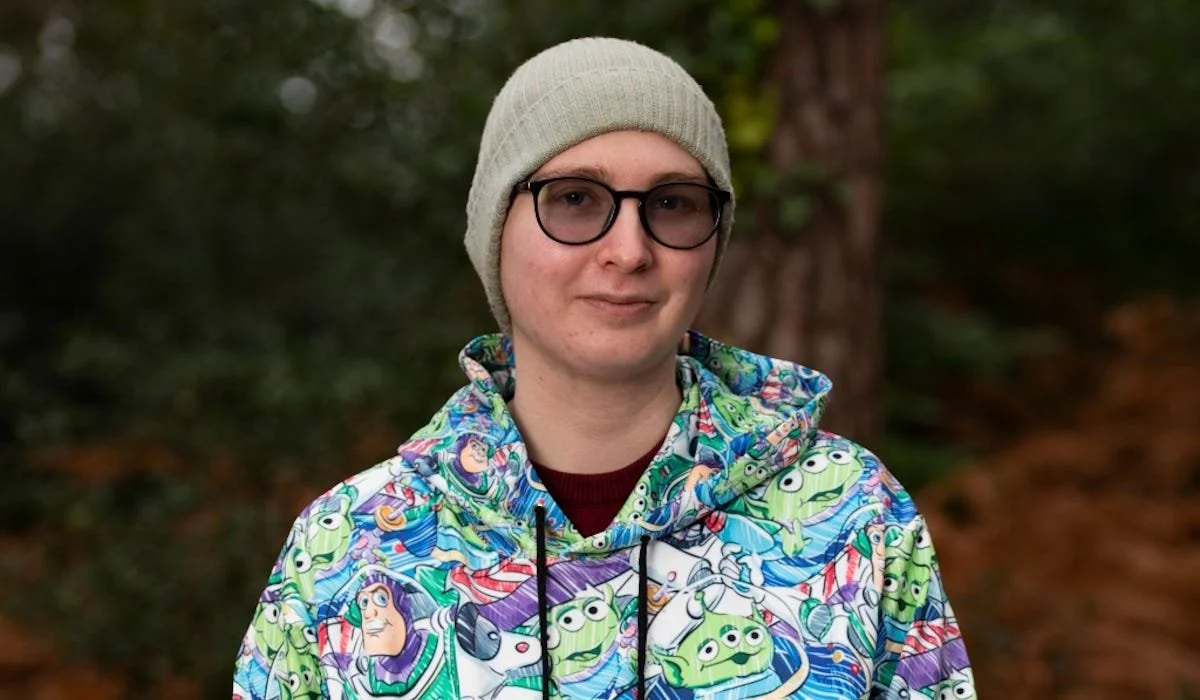
Hello, My Name Is Ronald and I’m Depressed
Almost two and a half years ago, I went through a traumatic event that I’m unable to fully disclose, but that made my living situation completely unsafe. It led to me becoming homeless again, helping a friend who relied on me as a carer, and made my mental health deteriorate rapidly. For the first time since the Covid lockdowns I had to go back on antidepressants to help me cope.
For anyone that’s been on antidepressants, particularly SSRIs, you’ll know that in the first few weeks they can exacerbate your symptoms and make them worse. In particular, until your antidepressants kick in they can make you feel more impulsive and more likely to act on any self harming or suicidal thoughts. When I went back on Citalopram, I spent weeks feeling constantly on edge, desperately clinging onto any shred of happiness I could find, plagued by thoughts of suicide.
Thankfully I got signed off temporarily after a particularly rough day where forgetting my work laptop was the final straw leading to me deciding that unless I found someone willing to stop me on my way outside, I would throw myself in front of traffic. This should have been a turning point, a time where I began receiving therapy again, got rehoused, and continued to further my career. That didn’t happen.
For reasons still unknown to me, CMHT refused my referral and because I’m considered as having complex needs, I’m not eligible to receive help from Steps to Wellbeing. The phone line for Shelter was always busy and the only contact I was allowed to speak to regarding council housing stopped answering me completely. STARS had a waiting list almost a year long and I didn’t have the energy or evidence to go any further with the police. In the end, the only practical support I got at the time was a referral for classes about depression that took place during working hours and that contained information I already knew.
Why am I telling you this? Because despite everything I went through and the severity of my depression and suicidal intentions at the time, I didn’t get anywhere close to the level of support I needed. It was always someone else’s problem, I’d get passed from service to service, asked “why can’t your family help you”, “just pay to go private” etcetera etcetera…
Two years later and I’m still struggling a lot more than I’m willing to admit, constantly flip flopping between masking how bad my current situation is and practically crying out for help to anyone who will listen, neither of which is a productive way to cope! After a severe mental breakdown following the “anniversary” of becoming homeless again I’ve ended up back in the care of CMHT, my medication has been changed again, and I’m seeking a more accurate diagnosis for some of my other health difficulties.
And of course despite having gone through it all before multiple times, I still can’t bring myself to ask for help getting to a weekly swim meet or with paying to attend coworking events even though I know both would make me feel happier in the long term! Instead I let myself cry in bed half the night while I contemplate whether or not I want to keep trying to turn things around or throw in the towel…
Help! I Need Somebody!
And so we circle back to World Suicide Prevention Day. My feed is full of empty promises to check in and words of encouragement about receiving help from services that can’t survive the strain, of people opening up on the surface level about their mental health without talking about the messy bits, the raw bits, the bits no one has heard before that they really need to hear.
So maybe that’s where I come in:
Start backing up your words with action. It’s all too easy to tell someone on a national holiday that you’re on the end of the phone or a click away, but don’t be complacent. Make the effort to reach out first, especially if you know they may be having a difficult time. Don’t just expect people to reach out themselves, chances are if they’re already struggling then they’re going to find it hard to ask for help.
Just because someone starts taking medication that doesn’t mean they’ll magically become better, this is the time where you really need to be there for them! As someone adjusts to taking new medications they may experience side effects that worsen their symptoms, make sure you keep an eye out for any changes in behaviour and don’t be afraid to contact a professional for help.
There are many ways to treat depression and suicidal thoughts however a lot of therapies and treatments are unavailable due to high demand, lack of funding, long waiting times, or strict criteria. Things like getting exercise and chatting with friends are good ways of coping in the short term however they are not solutions to replace long term or professional help!
On the flip side, don’t take on all your friend’s problems! Having a support network is brilliant but not to the extent that someone is dumping all of their issues onto you and expecting them to get fixed. Don’t be afraid to be there for a friend and listen to them when they need it but make sure you don’t take on more than you can cope with.
You need to fight for the support we need. Our community has come together so many times to bring to light important issues and this is one of them. We can’t keep expecting people who are depressed and suicidal to get better when we don’t have the proper systems in place to support them. Write to your MP, donate to support groups and local services, protest loudly, do whatever you can to make our voices heard.
